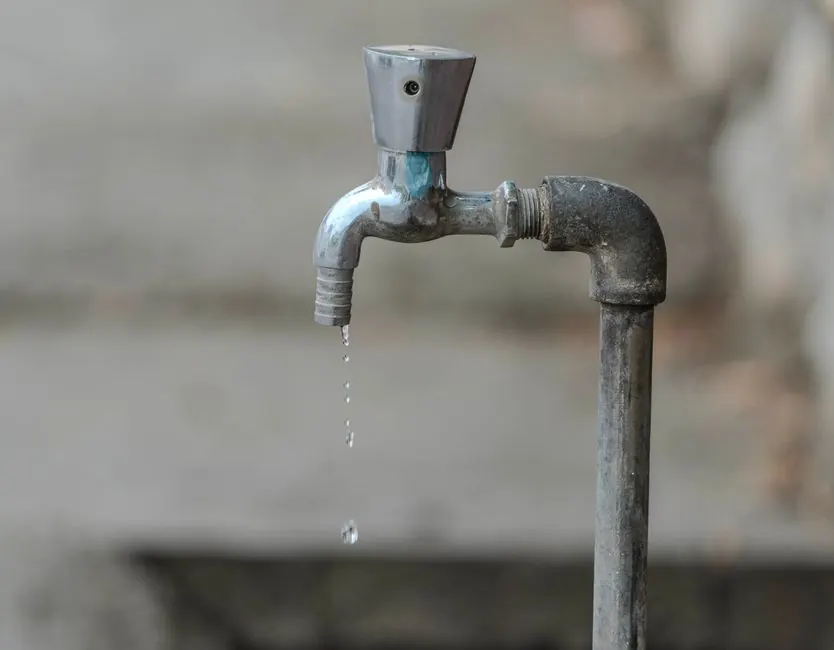
Faucet leaks can be a common yet frustrating issue for homeowners in Hamilton. Understanding the reasons behind your faucet's leak can help you address the problem quickly and effectively. In this article, we will explore the common causes of faucet leaks, the types of leaks you might encounter, and how to fix them. We'll also discuss when it's necessary to call in a professional plumber.
Common Causes of Faucet Leaks
Several factors contribute to faucet leaks, and identifying the source is the first step in resolving the issue. Here are some of the most common reasons:
- Worn Out Washers: Over time, the rubber washers inside your faucet can wear out, leading to leaks.
- Corroded Valve Seats: Corrosion can cause the valve seat to wear down, resulting in water escaping.
- Loose Parts: If the faucet components are not tightened properly, they may allow water to seep through.
- Improper Installation: A faucet that is not installed correctly can lead to leaks.
- Temperature Changes: Fluctuations in temperature can cause materials to expand and contract, leading to leaks.
In Hamilton, where older homes are common, many homeowners encounter these issues due to the age of their plumbing fixtures.
Types of Faucet Leaks
Understanding the type of leak can help you determine the best course of action for repair. Here are the main types of faucet leaks you may experience:
- Dripping Faucet: This is the most common type of leak, often caused by worn washers or O-rings.
- Leaking Base: Water pooling around the base of the faucet can indicate a problem with the O-ring or the mounting nut.
- Leaks from the Spout: If water is leaking from the spout itself, it usually points to a damaged cartridge or valve seat.
Each type of leak has its own set of potential causes and solutions, which we'll cover in the next section.
How to Fix a Leaking Faucet
Fixing a leaking faucet can often be a straightforward DIY project. Here's a step-by-step guide to help you through the process:
- Turn Off the Water Supply: Before you start, make sure to turn off the water supply to the faucet.
- Disassemble the Faucet: Remove the handle and unscrew the packing nut to access the cartridge or washer.
- Inspect the Components: Check for any signs of wear or damage on the washers, O-rings, and cartridge.
- Replace Damaged Parts: If you find any worn components, replace them with new ones that match your faucet's specifications.
- Reassemble the Faucet: Put the faucet back together and turn on the water supply to check for leaks.
If you're not comfortable performing these repairs yourself, consider reaching out to Hamilton Plumbing Experts for assistance. Our faucet repair Hamilton services can address your issues swiftly and effectively.
Common Mistakes to Avoid
When attempting to fix a leaking faucet, there are several pitfalls to watch out for:
- Ignoring the Water Supply: Always turn off the water supply before starting any repairs.
- Using Incorrect Parts: Make sure to use parts that are compatible with your specific faucet model.
- Over-tightening Components: Tightening parts too much can cause additional damage.
- Neglecting to Test for Leaks: Always check for leaks after reassembling the faucet.
When to Call a Professional
If your DIY efforts do not resolve the leak, or if you are unsure about the repair process, it's time to call a professional. Hamilton Plumbing Experts offers reliable emergency plumbing services Hamilton for urgent situations. Our team is equipped to handle all types of plumbing issues, ensuring your faucet is fixed correctly and efficiently.
Frequently Asked Questions
Why is my faucet leaking from the handle?
A leak from the handle often indicates a worn O-ring or packing nut. Replacing these components can usually resolve the issue.
How much does it cost to fix a leaking faucet?
The cost can vary depending on the extent of the damage and whether you hire a professional. Generally, repairs can range from $50 to $150.
Can I prevent faucet leaks?
Regular maintenance, such as checking for wear and replacing washers periodically, can help prevent leaks.
What should I do if my faucet is leaking continuously?
If your faucet is leaking continuously, turn off the water supply and contact a professional plumber immediately to avoid water damage.
How long does a faucet last?
With proper maintenance, a faucet can last anywhere from 15 to 20 years. Regular checks and timely repairs can extend its lifespan.